What’s Not Seen
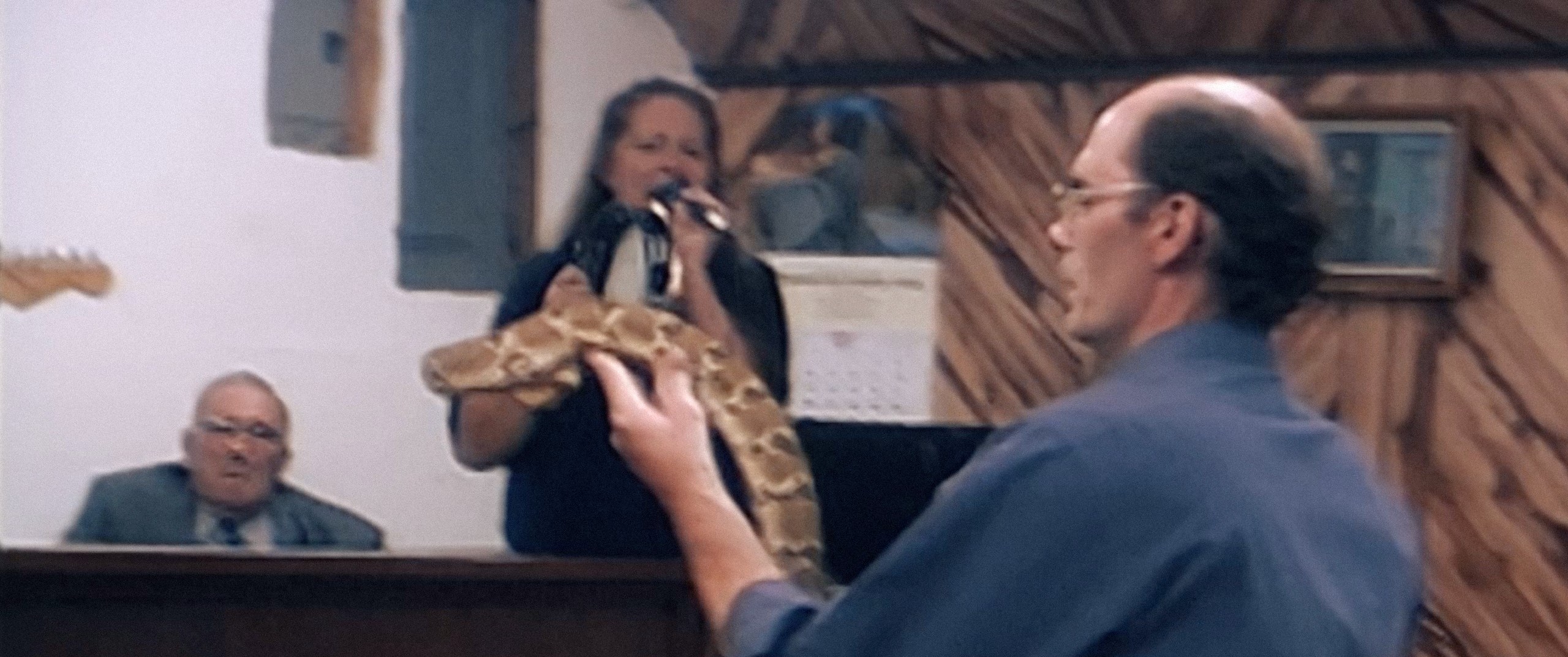
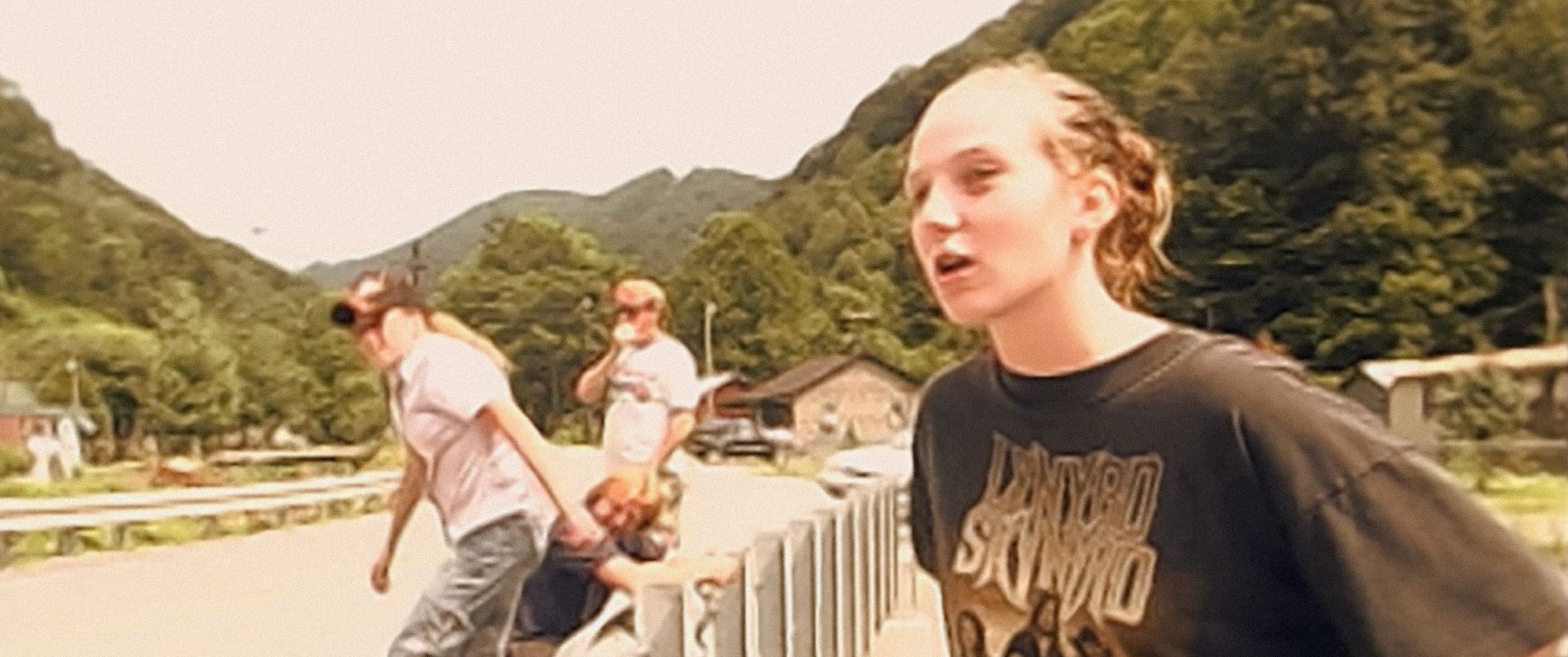
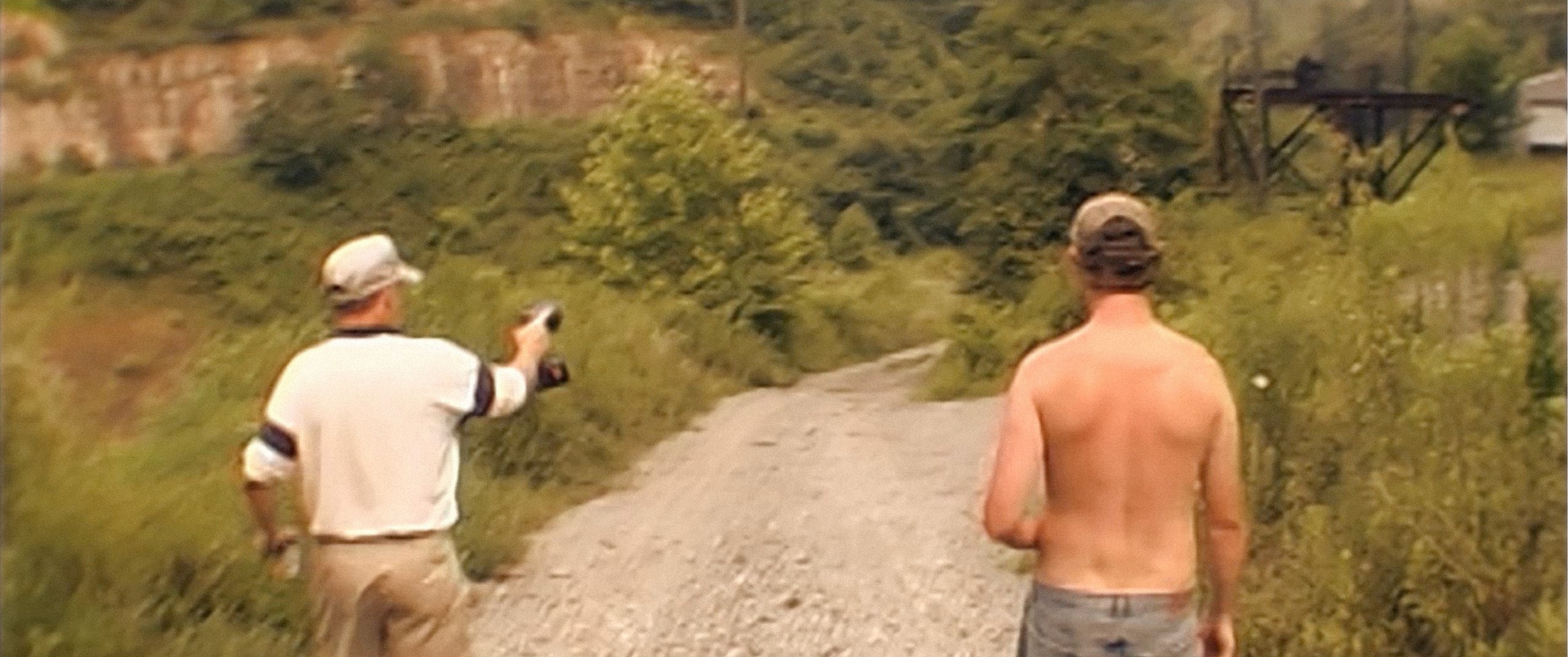
What’s Not Seen was shot in the summer of 2004 by two young filmmakers, Nat Johnson and Mike Bloch, on a short road trip through McDowell County, West Virginia. It is coal country, where life expectancy was among the lowest in the nation, as it remains. In the hamlet of Jolo they filmed Pentecostal services at the Church of the Lord Jesus with Signs Following, whose congregants took Mark 16 at its word: they picked up and danced with live rattlesnakes in worship and were sometimes bitten. Nearby they filmed idle teenagers on the street, and two former miners who led them to the mouth of the abandoned mine where they had worked.
Years later, Johnson and Bloch showed Kaiser the raw footage and asked what he made of it. What he saw there led the three of them to finish the film together.
At first the footage seems to fail its subjects. The small mini-DV camera blurred their outlines, made their colors blotchy, and left interlacing artifacts in every shot. The filmmakers, out of awkwardness and tact, often kept their distance, pointing their cameras reluctantly—which led them to miss the dramatic moment when a rattlesnake bit a congregant.
Their subjects were awkward too. This was before every phone carried a camera and every life could be posted to a feed. Since they were not used to being filmed, they were as drawn to the camera as they were uncertain before it.
What’s Not Seen builds on these shortcomings instead of correcting them. The haze and the hesitancy record an unease shared by those on both sides of the camera, and with it the presence of people who had not yet learned to perform for a lens.
That presence is now doubly gone. The mine stands abandoned, the church has given up its serpents, and people in the county still die young. Meanwhile, the ease with which you can now film and broadcast anyone has done its own erasing: with everyone so overexposed, they stop being seen. The film keeps both disappearances in view.
Bloch, Johnson, and Kaiser.